18+ Aluminum Vs Copper Wiring. This article delves into the key aspects of copper and aluminium. Aluminum is lighter, which is good for big projects.
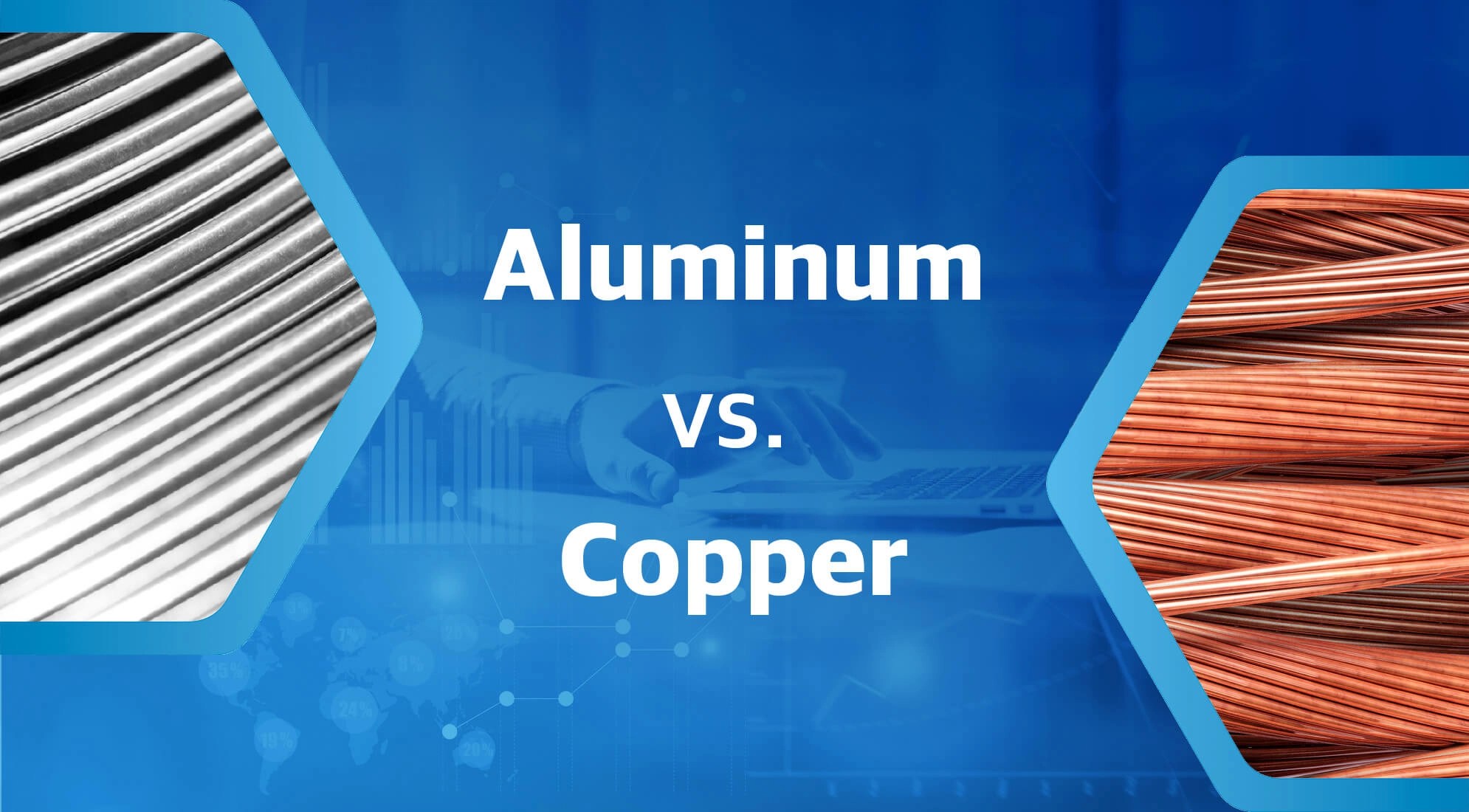
Almost all electrical wiring has a polyvinyl chloride (pvc) thermoplastic sheath around it that typically is black, red, white, blue, yellow, or green (each wire colorindicates a different function). But copper is better at moving. Copper and aluminum wires differ significantly in several key aspects.
It Is Important To Consider Factors Like Conductivity, Cost, Installation, Durability,.
Regardless of its high cost, copper continues to be used more widely than aluminum for home wiring, but each material has its advantages and disadvantages. When selecting wiring for electrical applications, the choice between copper wire and aluminium wire is critical. While aluminum wire may be cheaper upfront, copper wire is generally more durable and reliable in the long run.
The End Of The Wire Should Have A Small Amount Of Copper Or Aluminum Sticking Out Of The Sheath.
Compare copper and aluminum wires in terms of conductivity, weight, cost, safety, and durability to find the best fit for your electrical applications. Learn how environmental exposure affects copper and aluminum conductors. Because it’s relatively light in weight, aluminum is easier than copper.
This Article Delves Into The Key Aspects Of Copper And Aluminium.
Both copper and aluminum are good conductors of electricity. Choosing between copper and aluminum wire depends on the project’s budget, performance requirements, and environmental factors. What are the key differences between copper and aluminum wire?
Copper And Aluminum Wires Differ Significantly In Several Key Aspects.
One of the most important considerations when choosing between copper and aluminum wiring is safe. Copper is more expensive but has better conductivity,. Copper wire is ideal for applications.
When Choosing Between Aluminum And Copper Wire, Electrical Engineers Have To Think About A Few Things.
Compare copper and aluminum properties including conductivity, tensile strength and weight. Aluminum is used on larger scale power distribution systems because it is far cheaper and more lightweight than copper. For residential wiring and critical systems → copper is the best option due to its higher conductivity, durability, and safety.
